
Are you tired of manoeuvering around that tight spot every time you enter or exit your driveway? Well, good news! You can extend your existing dropped kerb to make life easier.
In this article, we will explore the importance of extending a dropped kerb and guide you through the legal considerations and steps involved in the process.
Additionally, we will address common challenges and provide practical solutions to ensure a smooth and successful extension.
So, let’s dive in and pave the way for a more convenient entrance!
The Importance of Extending a Dropped Kerb
If you want to make it easier for yourself and others to access your property, you should consider extending your dropped kerb.
Extending a dropped kerb comes with several benefits. Firstly, it allows for smoother vehicle entry and exit without the need to mount or dismount curbs, reducing the risk of damage to tyres and suspension systems.
Additionally, it improves accessibility for individuals with mobility challenges or using wheelchairs, ensuring equal access to your property.
Moreover, extending a dropped kerb enhances the overall aesthetic appeal of your property by creating a seamless transition between the road and driveway.
However, it is vital to consider potential costs associated with this modification.
These costs may include obtaining permits from local authorities and hiring professional contractors for installation purposes.
It is recommended to consult with experts in order to fully understand the financial implications before proceeding with extending a dropped kerb.
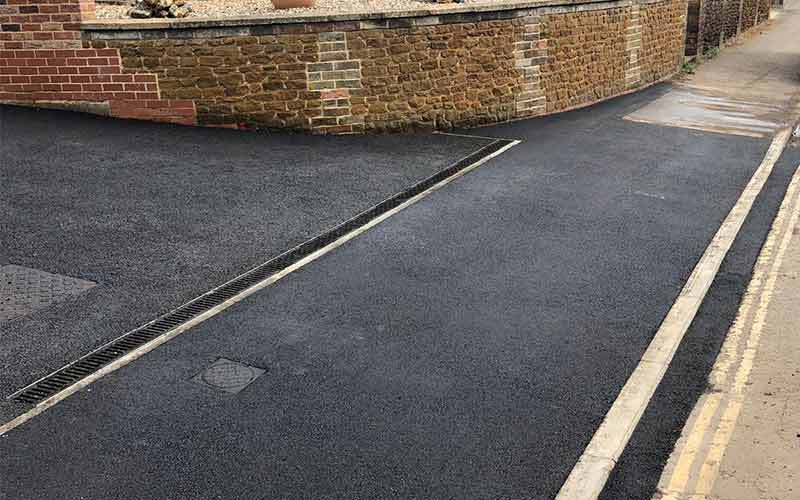
Legal Considerations for Extending a Dropped Kerb
Consider the legal implications of expanding the accessibility ramp. When it comes to extending a dropped kerb, there are important permits and regulations to be aware of. Before proceeding with any modifications, it is crucial to consult local authorities and obtain the necessary permissions. Failure to do so may result in penalties or even legal action. Additionally, potential costs should be taken into account. Extending a dropped kerb may require hiring professionals for construction work, which can add up depending on the complexity of the project. Furthermore, there may be fees associated with obtaining permits and complying with specific regulations. To better understand these considerations, refer to the table below:
| Legal Considerations | Description |
|---|---|
| Permits | Obtain all required permits from local authorities before starting any work |
| Regulations | Ensure compliance with relevant regulations governing accessibility ramps |
| Potential Costs | Factor in expenses such as construction labour and permit fees |
Steps to Extend an Existing Dropped Kerb
To start extending a dropped kerb, it’s important to first contact the local authorities and obtain the necessary permits.
Extending your dropped kerb can offer numerous benefits, such as improved accessibility and convenience for vehicles entering or leaving your property. Additionally, it can enhance the overall aesthetic appeal of your driveway.
However, before proceeding with the extension, it is crucial to consider the cost implications. The expenses associated with extending a dropped kerb may include application fees for permits, construction costs, and potential adjustments to utilities or drainage systems.
It is advisable to consult with professionals who specialise in this field to get accurate cost estimates specific to your situation.
Common Challenges and Solutions in Extending a Dropped Kerb
One common challenge in extending a dropped kerb is obtaining the necessary permits from local authorities. Construction permits are at the top of the list when it comes to potential obstacles. To extend a dropped kerb, you need to go through a rigorous process of acquiring these permits.

This involves submitting detailed plans and specifications for review by the local planning department. They will assess factors such as traffic flow, pedestrian safety, and overall impact on the surrounding area.
It is essential to adhere to all regulations and guidelines set forth by the authorities.
Failure to obtain the required permits can result in fines or even forced removal of the extended kerb. Therefore, it is crucial to navigate this bureaucratic process diligently and ensure compliance with all legal requirements before commencing any construction work.
Conclusion
In conclusion, extending an existing dropped kerb is a task that requires careful planning and adherence to legal regulations. It’s like laying the foundation for a sturdy bridge, ensuring smooth access and safe navigation.
By following the necessary steps and addressing common challenges, you can create a seamless transition between road and pavement. Remember, precision is key in this technical endeavour. So take the time to analyse every detail and make informed decisions.
Contact us today on 07595 510190 to receive a free quote for your Dropped Kerb, Tarmac, Resin, Concrete or Block driveway project or visit our website.
Envision the freedom of waking up to the open road just outside your home, where your beloved caravan awaits thrilling Read more

Looking to make your life easier and enhance your property's accessibility? Look no further than a dropped kerb. This simple Read more

Converting your front garden into a parking space can provide convenient driveway access and enhance your property's functionality. In the UK, you Read more