

Converting your front garden into a parking space can provide convenient driveway access and enhance your property’s functionality.
In the UK, you can convert your front garden into a parking space as long as you use permeable surface materials that allow water to drain naturally. If you are using a non-permeable material or if the driveway is larger than 5 square meters, you will need to obtain planning permission from your local council. Dropping the kerb to provide access to the parking area also requires permission from the council, and there may be additional fees involved. It is important to check if there is an Article 4 direction in place, as this may restrict your permitted development rights.
Converting your front garden into a parking space can add value to your property, especially in areas with limited off-street parking. However, you should consider the costs of the project, such as dismantling and leveling the garden, and the potential loss of green space. It is also important to consult with your neighbors and obtain their support before starting the project.
Understanding the Legal Requirements
Before embarking on the project, it is crucial to understand the legal obligations and requirements involved in converting your front garden into a parking space. In the United Kingdom, you can create a parking area as long as you use permeable surface materials that allow water to drain naturally. This is important for reducing the risk of flooding and maintaining proper water drainage.
If you decide to use a non-permeable material for your driveway or if the driveway exceeds 5 square meters in size, you will need to obtain planning permission from your local council. This permission ensures that the construction of your parking space complies with local regulations and does not negatively impact the surrounding environment or infrastructure.
| Key Points: | Legal Requirements |
|---|---|
| 1 | Use permeable surface materials |
| 2 | Obtain planning permission for non-permeable materials or driveways larger than 5 square meters |
| 3 | Permission required to drop the kerb for vehicle access |
To drop the kerb for vehicle access to your parking area, you will also need permission from your local council. Dropping the kerb involves modifying the pavement to create a sloped entrance for vehicles. It is important to note that there may be additional fees involved in obtaining the necessary permissions.
Furthermore, it is advisable to check if there is an Article 4 direction in place in your area. An Article 4 direction is a planning restriction that can limit your permitted development rights. It may impose additional regulations on converting front gardens into parking spaces, so it’s essential to be aware of any potential restrictions specific to your location.
Converting your front garden into a parking space can add value to your property, especially in areas where off-street parking is limited. However, you should carefully consider the costs involved in the project, such as dismantling and leveling the garden, as well as the potential loss of green space. It is also important to consult with your neighbors and obtain their support before commencing the project, as their opinions and concerns should be taken into account.
By understanding the legal requirements and considering the potential implications, you can make an informed decision and ensure that your front garden parking project proceeds smoothly while complying with the necessary regulations.
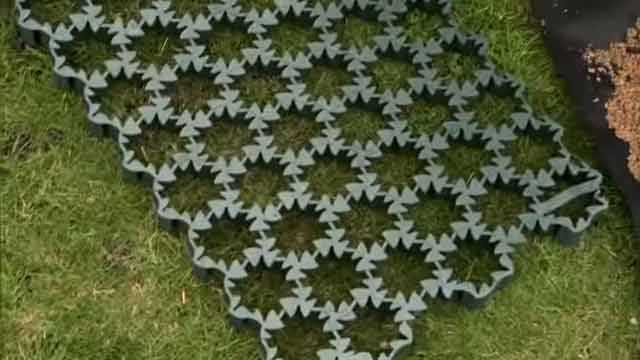
Permeable Surfaces and Planning Permission
The choice of the right surface material and understanding the planning permission process are crucial aspects to consider when converting your front garden into a parking space. In the United Kingdom, it is essential to use permeable surface materials that allow water to drain naturally. By doing so, you can prevent water runoff and contribute to environmental sustainability.
If you opt for a non-permeable material or if your driveway will be larger than 5 square meters, you will need to obtain planning permission from your local council. It’s important to note that using a non-permeable material can have drawbacks, as it can cause water to accumulate and potentially flood your property or the surrounding area.
Before starting the project, you must also consider whether there is an Article 4 direction in place. An Article 4 direction is a specific planning regulation that may be implemented by the local council to restrict permitted development rights. This means that even if your project falls within the permitted development rights, you may still need to seek planning permission. It is advisable to check with your local council to ensure compliance and avoid any potential issues.
| Key Points: |
|---|
| Use permeable surface materials for sustainable drainage |
| Obtain planning permission for non-permeable materials or driveways larger than 5 square meters |
| Check for an Article 4 direction to understand any additional restrictions on permitted development rights |
By considering these factors and following the necessary guidelines, you can ensure that your front garden conversion project is carried out in compliance with local regulations and contributes positively to both your property value and the environment.
The Benefits and Considerations
Converting your front garden into a parking space offers various benefits, but it is essential to carefully consider the associated costs and neighborhood considerations. One of the key advantages is the potential increase in property value, particularly in areas with limited off-street parking. Having a dedicated parking space can be a highly desirable feature for potential buyers or tenants, making your property more attractive in a competitive market.
However, before embarking on this project, it is important to take into account the costs involved. Converting your front garden into a parking space may require dismantling and leveling the existing garden, which can incur expenses. Moreover, the process of obtaining planning permission and dropping the kerb may involve additional fees and paperwork, so it is crucial to factor these into your budget.
Another consideration is the potential loss of green space. Converting your front garden into a parking space means sacrificing an area of natural vegetation, which may impact the overall aesthetics of your property. Additionally, this could have ecological implications, as green spaces contribute to biodiversity and help improve air quality. It is worth exploring alternative options, such as creating a smaller parking area while preserving some green space.
Lastly, it is vital to consult with your neighbors and obtain their support before proceeding with the project. Converting your front garden into a parking space can affect the overall appearance and character of the neighborhood. It is courteous to discuss your plans with your neighbors, address any concerns they may have, and ensure that your project aligns with the overall aesthetics and harmony of the community.
| Benefits | Considerations |
|---|---|
| Increases property value | Costs involved in dismantling and leveling the garden |
| Provides a dedicated parking space in areas with limited off-street parking | Potential loss of green space |
| Neighborhood considerations and consulting with neighbors |
Project Costs and Feasibility

Before making a decision, it is important to assess the feasibility of the project and understand the potential costs you may incur. Converting your front garden into a parking space can be an exciting endeavor, but it is essential to have a clear understanding of the financial aspects involved.
One of the main costs to consider is the dismantling and leveling of your garden. This process may require hiring professional services, which can add to the overall expenses. Depending on the size and complexity of your garden, the costs can vary. It is advisable to obtain quotes from reputable contractors to get a better estimate.
In addition, there may be additional fees associated with obtaining planning permission and dropping the kerb. If your driveway exceeds 5 square meters or if you plan to use non-permeable materials, you will need to seek approval from your local council. This process may incur application fees and potential amendments to meet the necessary requirements.
| Project Costs | Estimated Expenses |
|---|---|
| Garden Dismantling and Leveling | Varies based on garden size and complexity |
| Planning Permission | Application fees and potential amendments |
| Kerb Dropping | Possible additional fees |
It is worth considering the potential loss of green space when converting your front garden into a parking area. Gardens contribute to the aesthetic appeal of your property and provide a valuable space for plants and wildlife. The removal of greenery may impact the visual appeal of your property and the environment’s biodiversity.
Lastly, before proceeding with the project, it is crucial to consult with your neighbors and obtain their support. Converting your front garden into a parking space may impact the overall curb appeal of the area, and it is important to ensure that your neighbors are comfortable with the change. It is always better to maintain open communication and address any concerns they may have.
Conclusion
Converting your front garden into a parking space with a dropped kerb can provide convenient vehicle entrance, but it requires thorough consideration of various factors. In the United Kingdom, it is important to follow the legal requirements when undertaking such a project. Using permeable surface materials that allow water to drain naturally is essential to meet regulations. If you opt for non-permeable materials or if your driveway exceeds 5 square meters, you will need to obtain planning permission from your local council.
Additionally, dropping the kerb to provide access to the parking area also requires permission from the council, and there may be additional fees involved. Before proceeding, it is essential to check if your area has an Article 4 direction in place, as this may restrict your permitted development rights.
While converting your front garden into a parking space can add value to your property, especially in areas with limited off-street parking, it is important to carefully consider the costs involved. Dismantling and leveling the garden may incur expenses, and you should also take into account the potential loss of green space.
Furthermore, consulting with your neighbors and obtaining their support is crucial before embarking on this project. Building good relationships and ensuring that your plans align with the community’s expectations is essential for a successful transformation of your front garden into a parking space with a dropped kerb.
Contact us today on 07595 510190 to receive a free quote for your Dropped Kerb, Tarmac, Resin, Concrete or Block driveway project or visit our website.
Source Links
- https://droppedkerbnottingham.co.uk/can-i-park-on-my-front-lawn/
- https://www.northeastpavingandgardens.co.uk/turn-front-lawn-into-driveway/
- https://www.thisismoney.co.uk/money/mortgageshome/article-9546577/Should-change-garden-private-parking-space.html
Envision the freedom of waking up to the open road just outside your home, where your beloved caravan awaits thrilling Read more

Looking to make your life easier and enhance your property's accessibility? Look no further than a dropped kerb. This simple Read more

Are you tired of manoeuvering around that tight spot every time you enter or exit your driveway? Well, good news! Read more